
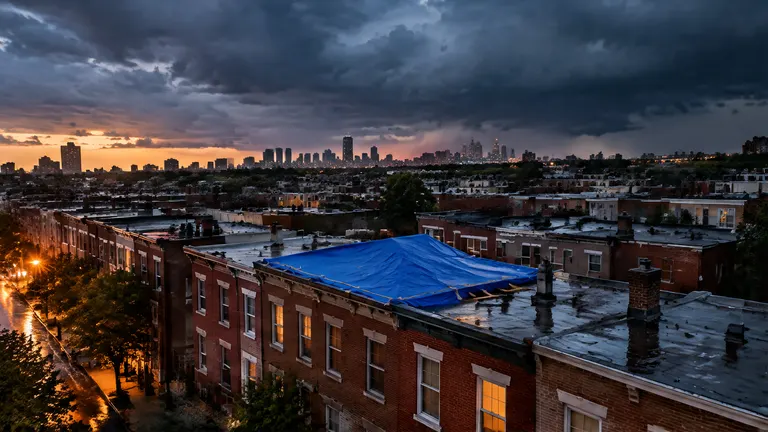
Emergency Roofing and Roof Tarping in San Francisco, CA
Emergency roofing in San Francisco, from The Sunset to Noe Valley: fast tarping, flat roof leak repair and storm repair for tight lots and shared walls.
Storm response for tight city blocks in San Francisco, CA
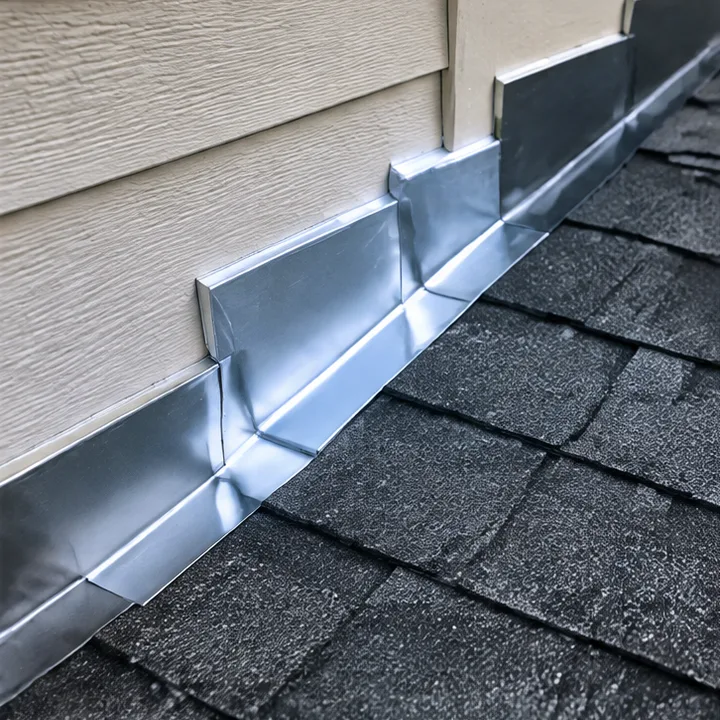
Dense blocks mean shared walls, low-slope and flat roofs, tight alleys and neighbors on every side. We plan staging and access, protect adjoining buildings, seal flashing where roofs meet walls and keep leaks from traveling between units.
California roofs deal with atmospheric river rain, wind events and sun-baked materials, and a small leak can soak insulation before anyone notices. Dense blocks near The Sunset and Noe Valley mean tight access, low-slope roofs and shared walls, so we plan staging, protect neighbors and seal flashing where roofs meet. A four-season climate brings tornado and hail season in spring, thunderstorms in summer, tropical remnants in fall and ice in winter, and we plan for all four.
Best forFlat and low-slope leak repair, tight-access staging and careful work beside neighbors
- Tight access, plannedStaging, ladders and materials handled where space is short.
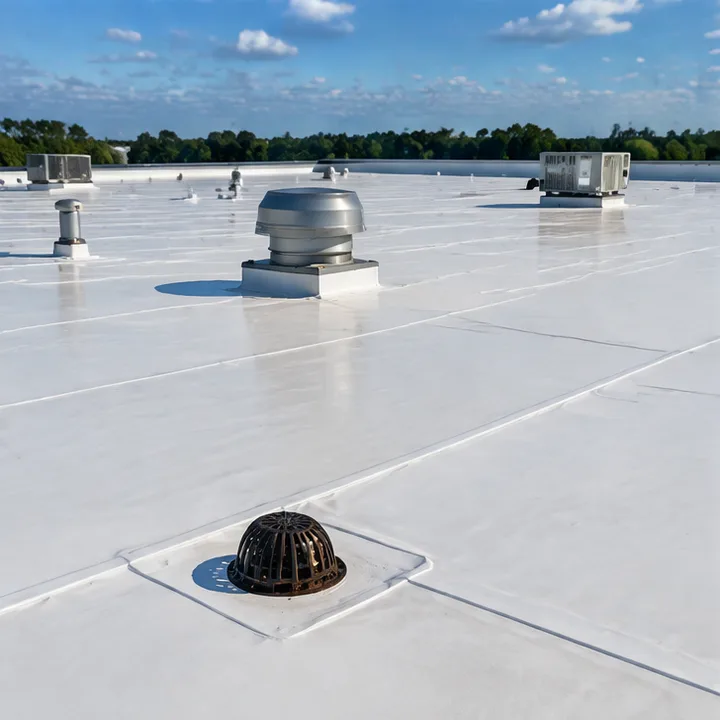
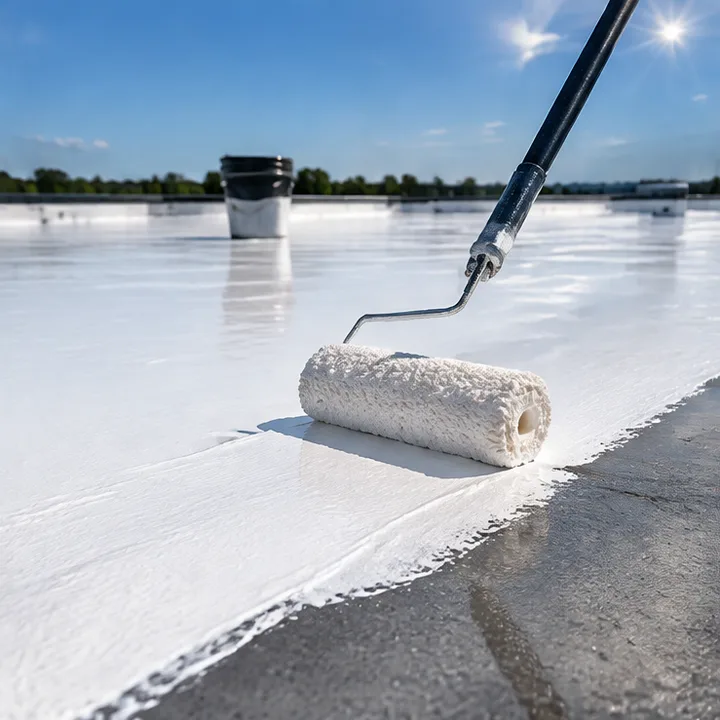
- Flat roofs understoodMembrane, drains and parapet flashing handled by people who work on them daily.
- Neighbor-awareNoise, debris and shared walls respected.
What roofs in San Francisco need most after a storm
Not sure how urgent it is? Check what you can see in Storm Triage and get the first ten minutes of steps, then size a tarp in the Tarp Calculator or check hail damage in the Hail Checker.
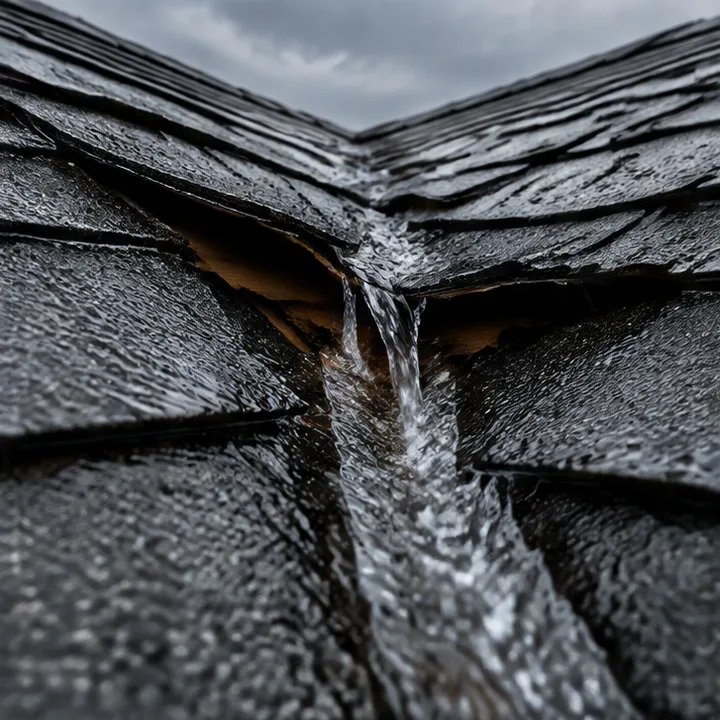
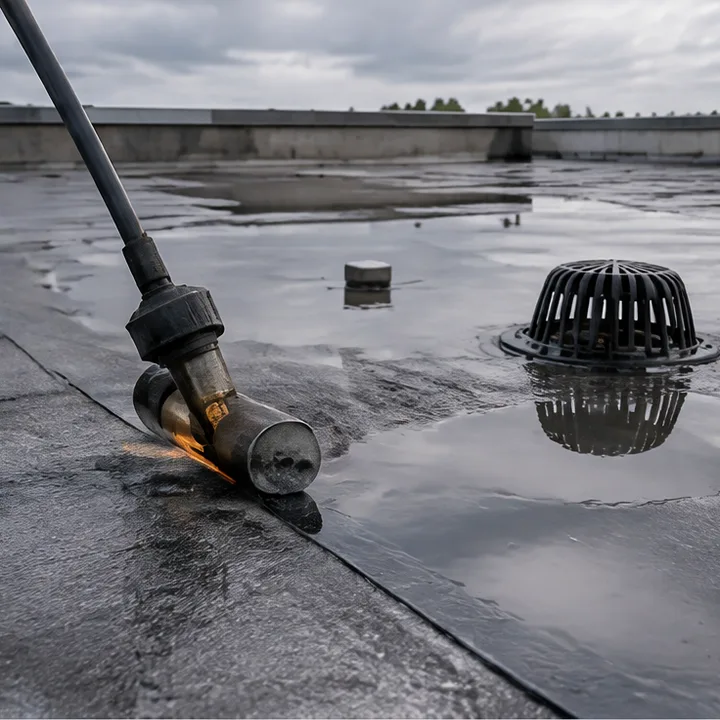
Open Storm Triage- 1A flat roof that leaksSeams, drains and membrane patches.
- 2Parapet and wall flashingWhere roofs meet walls and water gets in.
- 3A leak traveling between unitsTraced and stopped at the source.
- 4Storm-lifted membraneReattached and sealed.
Storm season by season in San Francisco
Roofs here face a different threat in every season. We keep tarps, boards and underlayment on the truck all year, and we answer the phone in every month.
- SpringTornado and hail season. We keep crews staffed and tarps loaded for the busiest weeks of the year.
- SummerFast thunderstorms with lightning, wind and heavy rain, often at night and on weekends.
- FallTropical remnants bring days of rain, so a good tarp and dry deck are what hold the line.
- WinterIce, snow load and freeze and thaw. We tarp, then repair when it is safe to work.
From the first call to the last nail.
We tarp, repair and replace roofs around The Sunset, Noe Valley, Marin side and The Peninsula and the neighborhoods nearby, on homes, apartments, churches, schools and businesses.
Three steps from your call to a dry roof
- Call or text any hourTell us your address in San Francisco, what happened and where water is coming in. Photos help but are not required.
- A crew covers the roofWe bring tarps, boards, underlayment and lights, and we start as soon as it is safe to work.
- We plan the repair with youYou get photos, a written scope and a clear price for the permanent repair, and we help with the paperwork your insurance company asks for.
Work people in San Francisco ask for first
Good to know
Do you work on flat roofs and row homes?
Yes. Flat and low-slope roofs are a regular part of our work, and we plan access, staging and neighbors before we start.
Which parts of the area do you cover?
We respond around The Sunset, Noe Valley, Marin side and The Peninsula and the neighborhoods nearby. If you are close but not on the list, call (800) 207-0499 and ask.
Do you answer the phone at night in San Francisco?
Yes. 24/7 Storm Roofer takes emergency calls at all hours, including nights, weekends and holidays. Call or text (800) 207-0499.
What should I do while I wait for the crew?
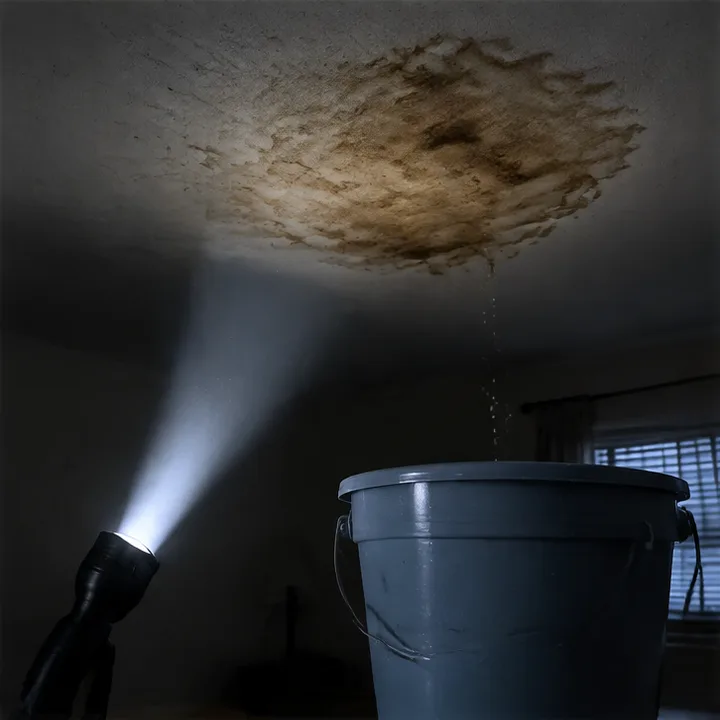
Keep everyone out of wet rooms, move valuables, put a bucket under drips, turn off power to wet areas and take photos from the ground. Stay off the roof.
How do I get started?
Call or text (800) 207-0499, or send the form on this page with your address and a few details about the damage.
Also responding near you in
Roof damaged in San Francisco?
Call or text any hour, or send the form. Tell us your address and what happened and we will reply with clear next steps.